Discover Darling Street Espresso
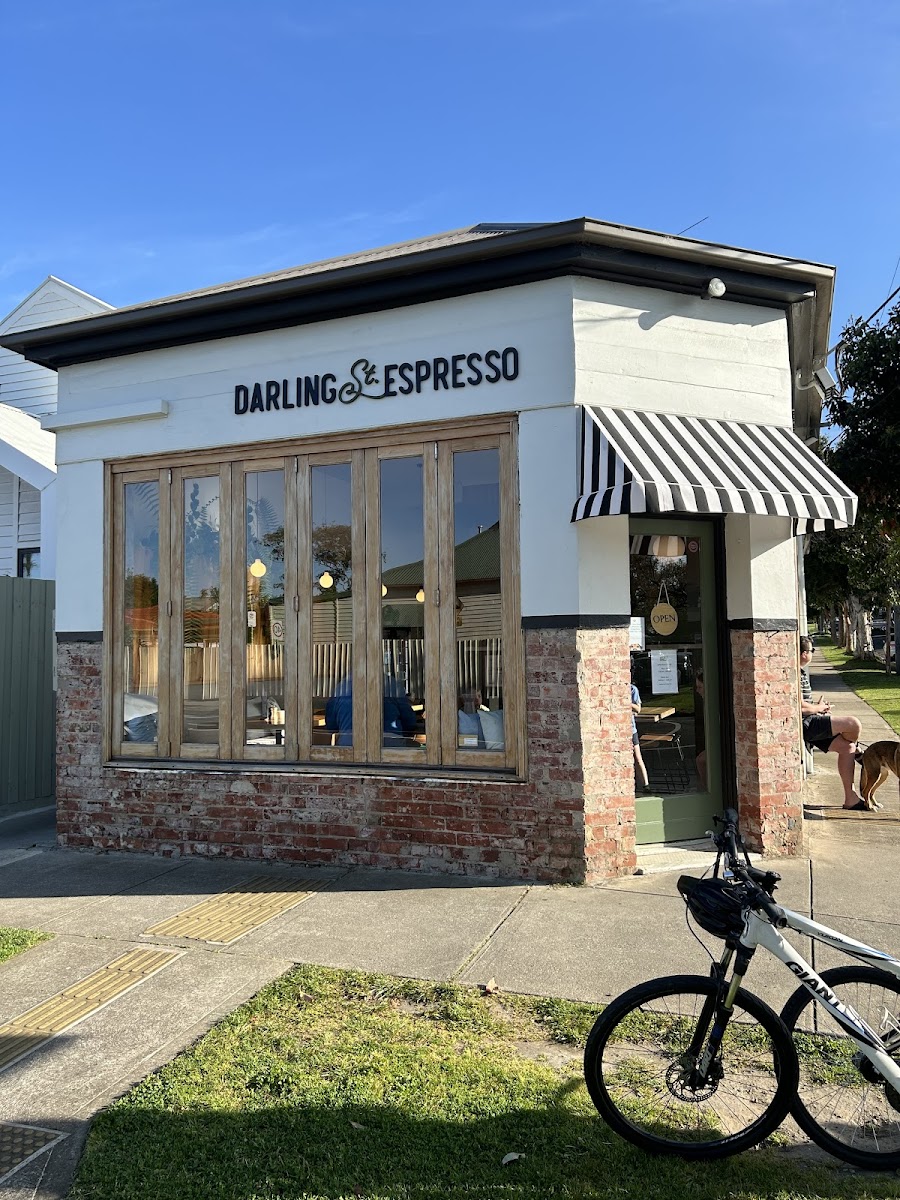
Darling Street Espresso sits quietly at 146 Athol St in Moonee Ponds, but once you step inside, it’s anything but forgettable. I first wandered in on a rushed weekday morning, expecting a quick caffeine fix, and ended up staying far longer than planned. That’s usually my personal test for a good café: if the coffee slows you down in the best way, something’s being done right.
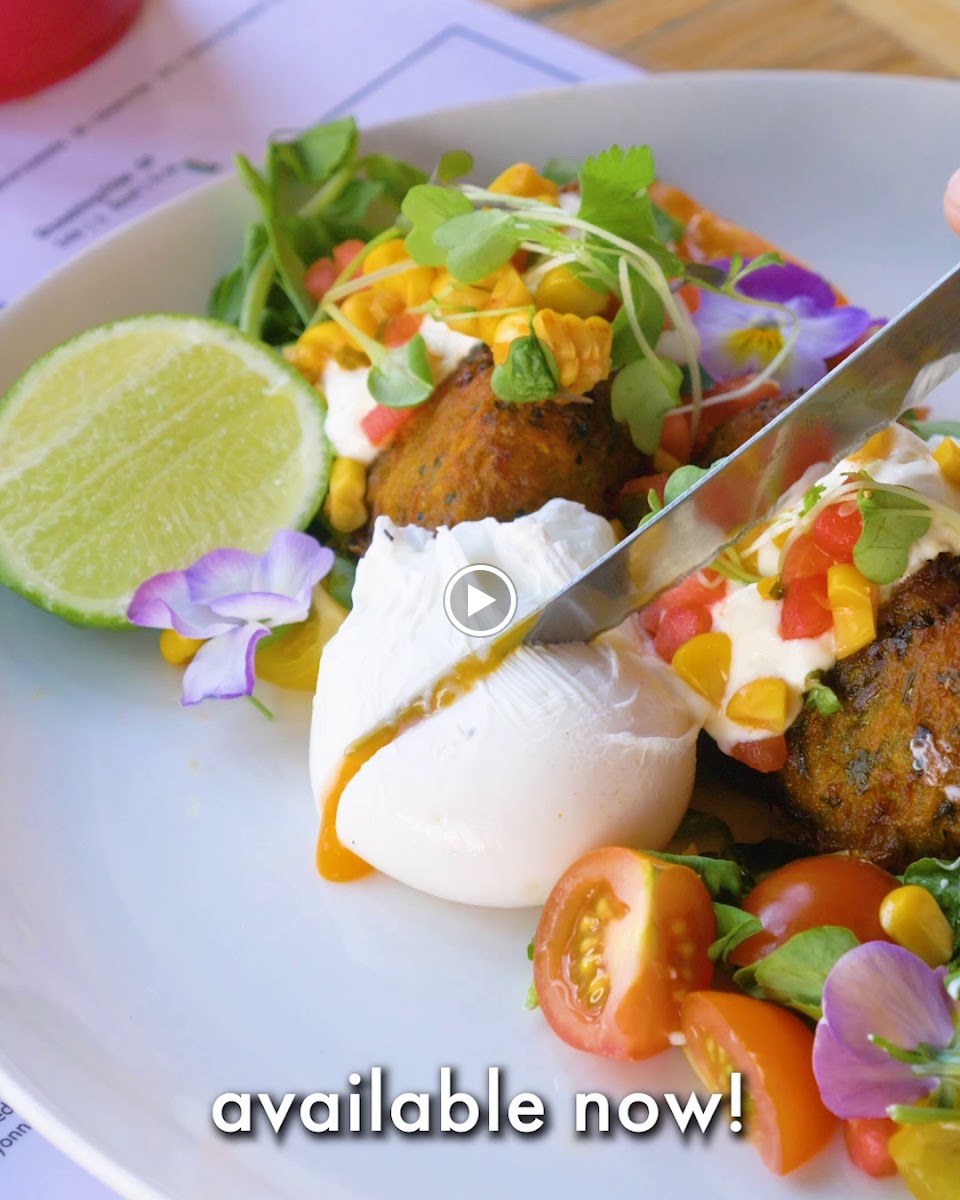
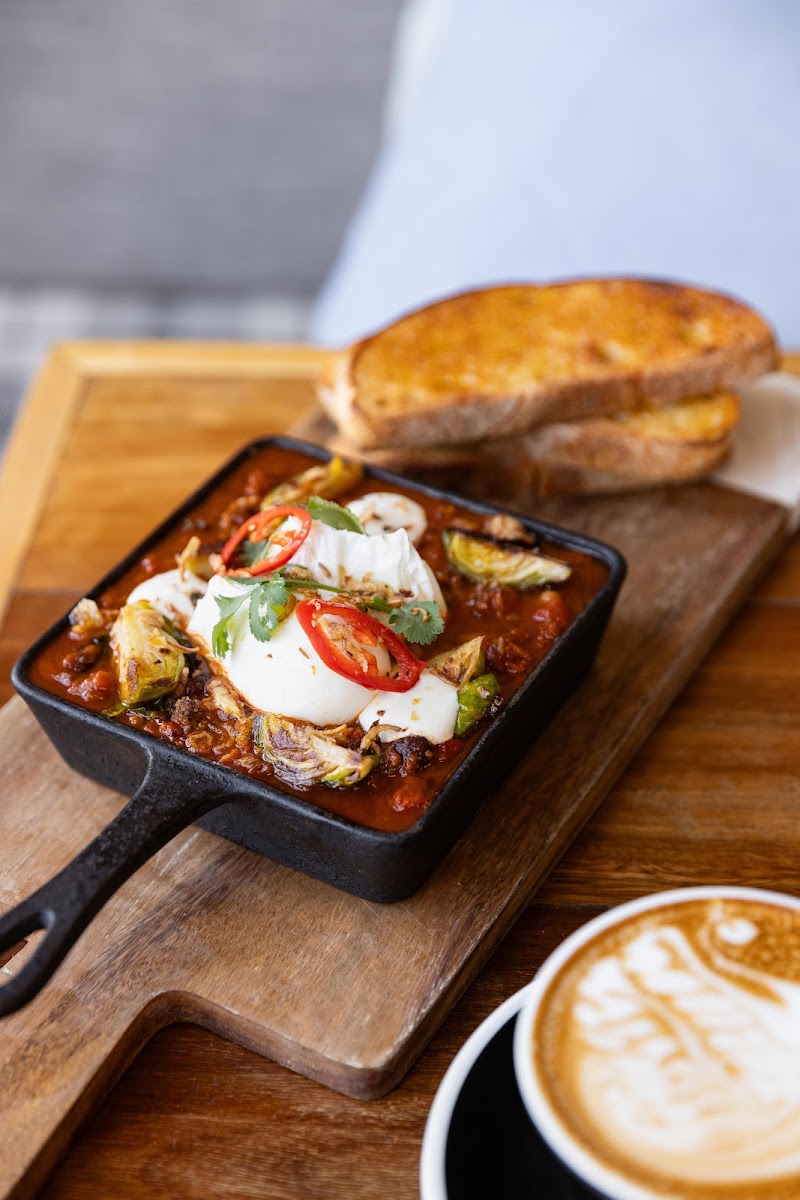
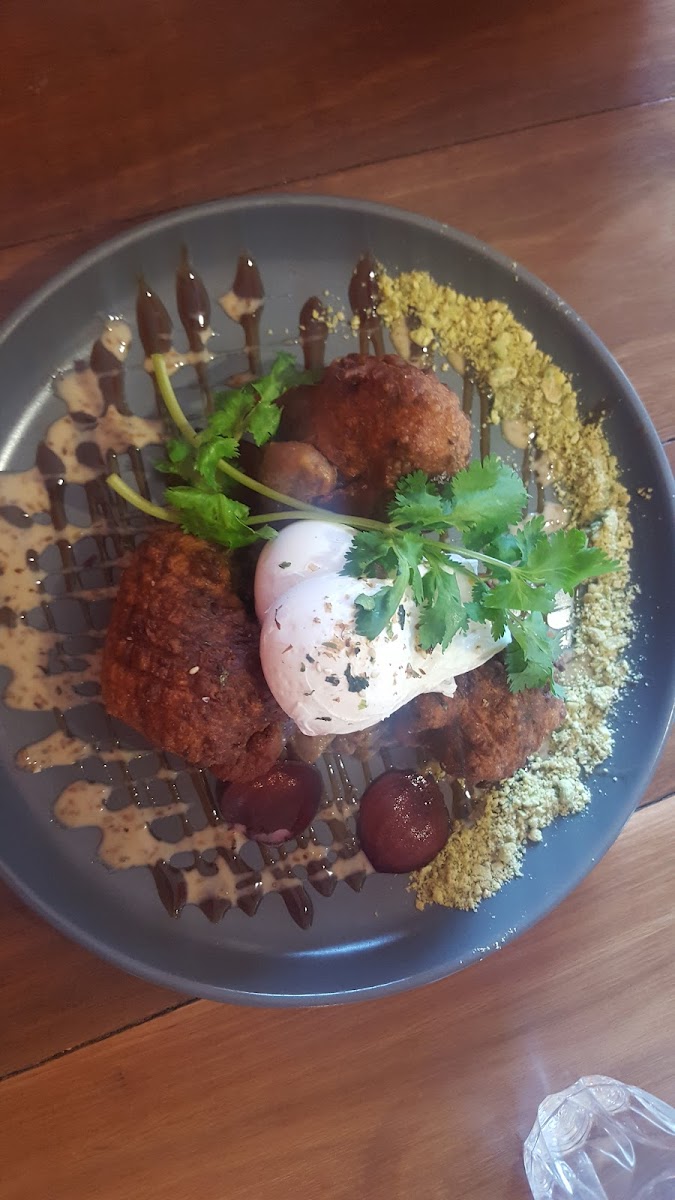
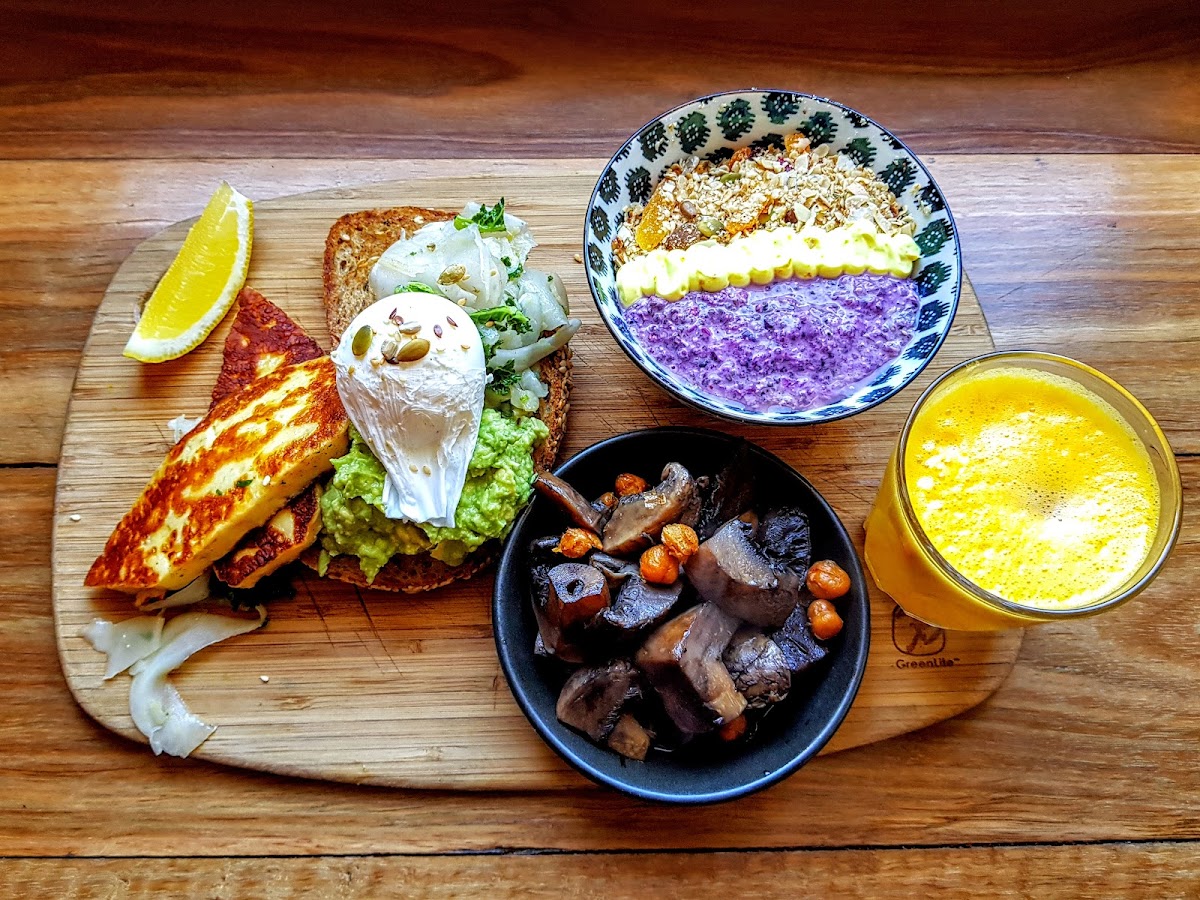
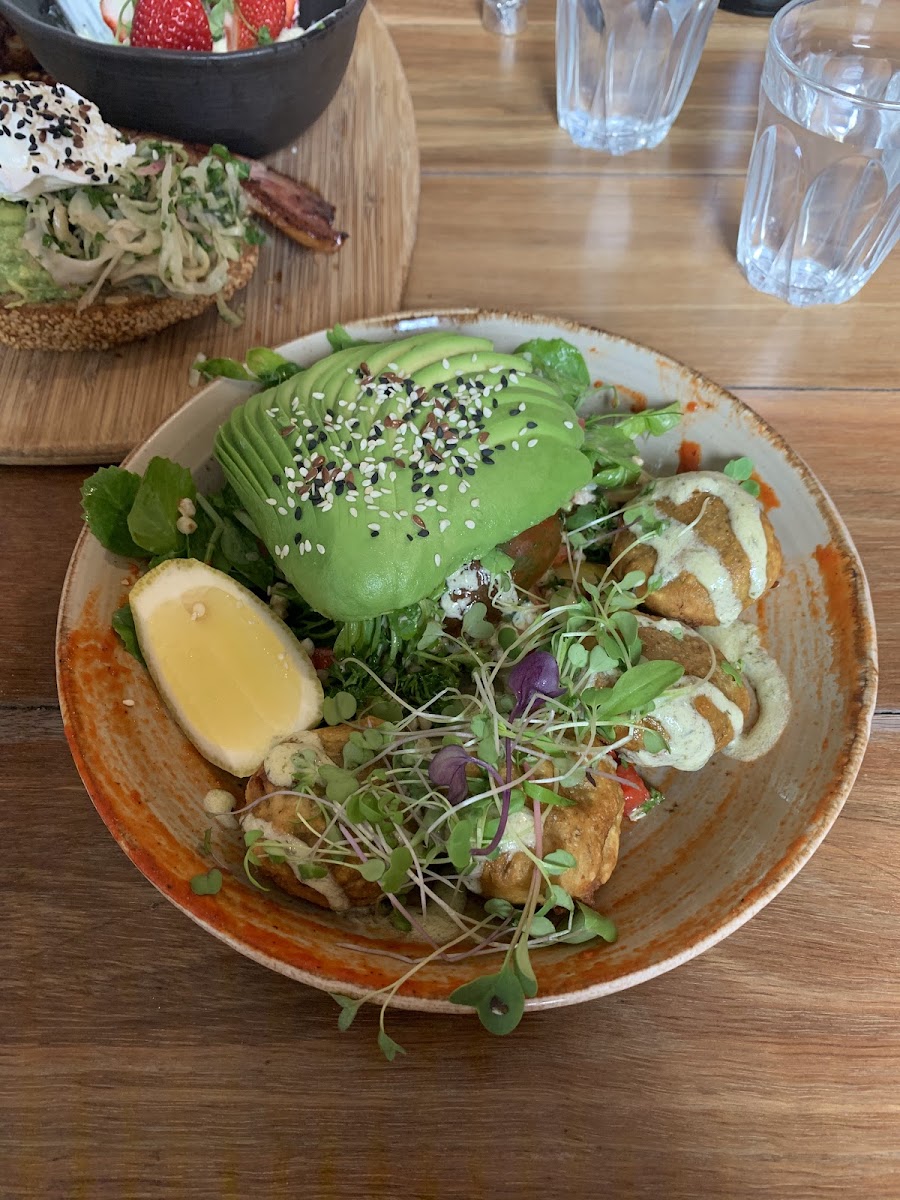
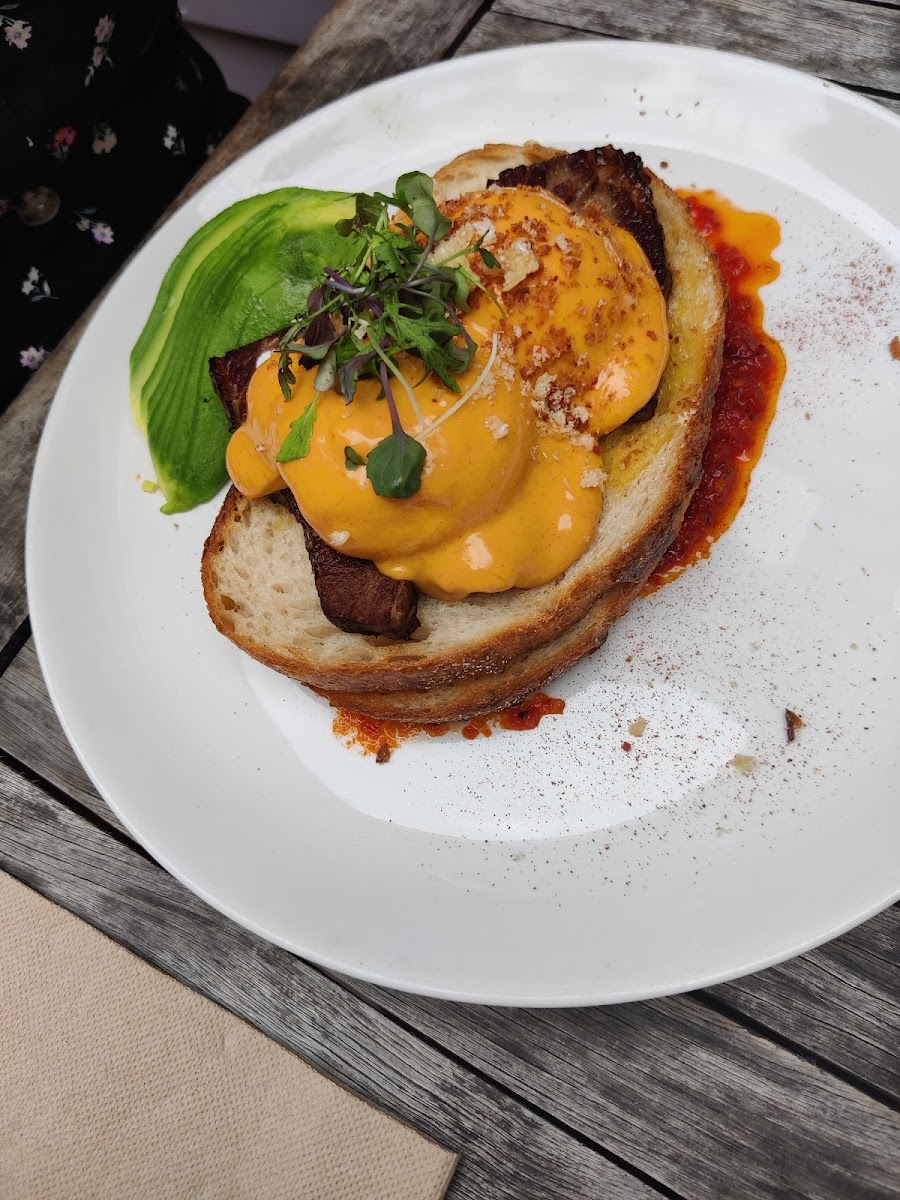
The menu leans into modern Australian café culture without trying too hard. You’ll find classics like smashed avocado and eggs done with care, alongside rotating specials that depend on seasonality rather than trends. During one visit, a simple poached egg dish stood out because of the method. The kitchen uses lower-temperature poaching, a technique often recommended by culinary schools and backed by food science research for better protein structure and texture. It sounds technical, but on the plate it just means silkier whites and yolks that actually taste like eggs. According to data shared by the Australian Eggs industry body, freshness and temperature control are the two biggest factors affecting egg quality, and it shows here.
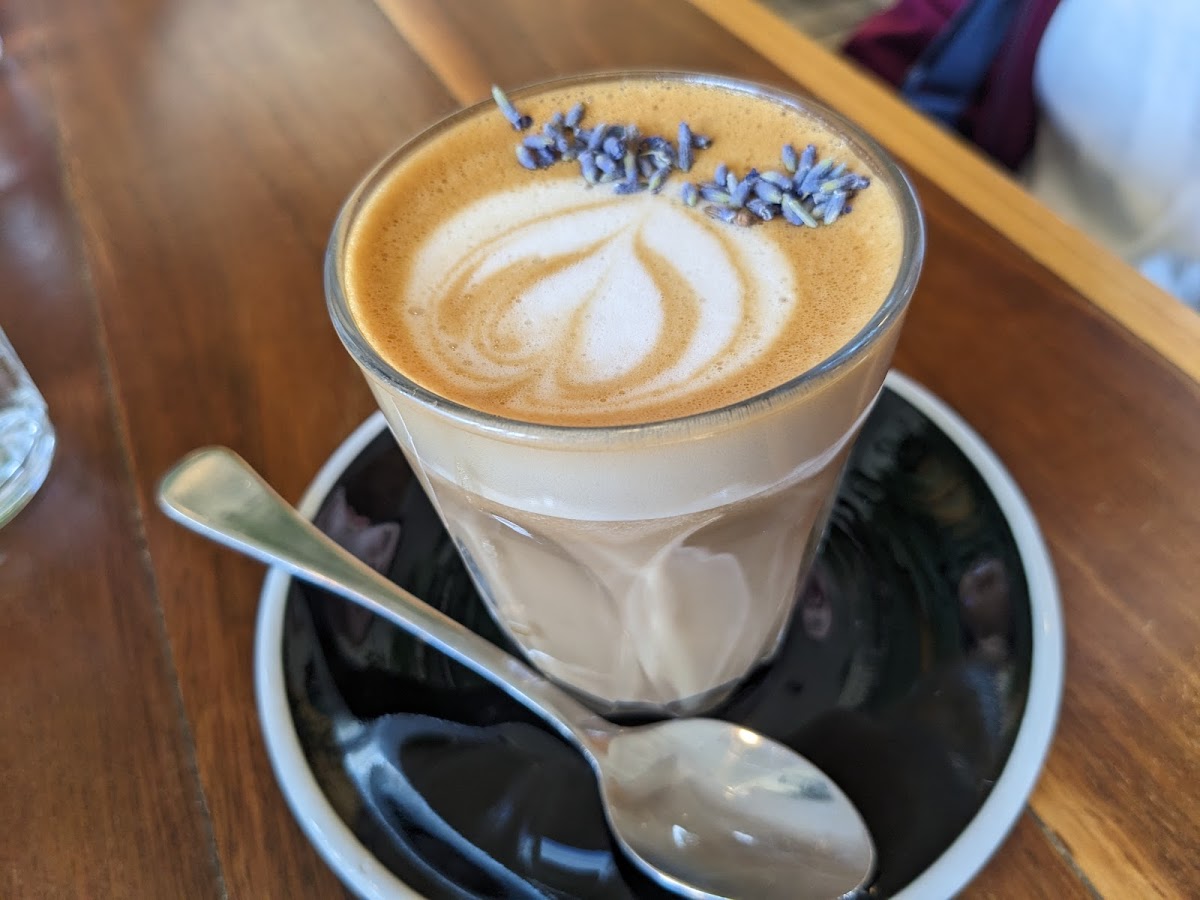
Coffee is where this place quietly flexes its expertise. The baristas are trained to explain what’s in your cup without sounding like a lecture. On one visit, I was talked through the differences between medium and lighter roasts in plain language, focusing on flavor clarity instead of jargon. Their approach aligns closely with guidelines from the Specialty Coffee Association, which emphasizes grind consistency, water quality, and extraction time as the backbone of a reliable espresso. The result is coffee that tastes balanced rather than bitter, even when you order something as unforgiving as a straight espresso.
What makes the experience feel trustworthy is consistency. Reviews from regulars around Moonee Ponds often mention that their flat white tastes the same whether it’s a quiet Tuesday or a busy Saturday brunch rush. Consistency is harder than creativity in food service, and it usually comes down to systems. Here, you can see it in action: calibrated grinders, weighed doses, and baristas who actually reset between orders instead of rushing. It’s a small operational detail, but hospitality studies from organizations like Hospitality Net regularly note that standardized processes improve customer satisfaction more than flashy menu additions.
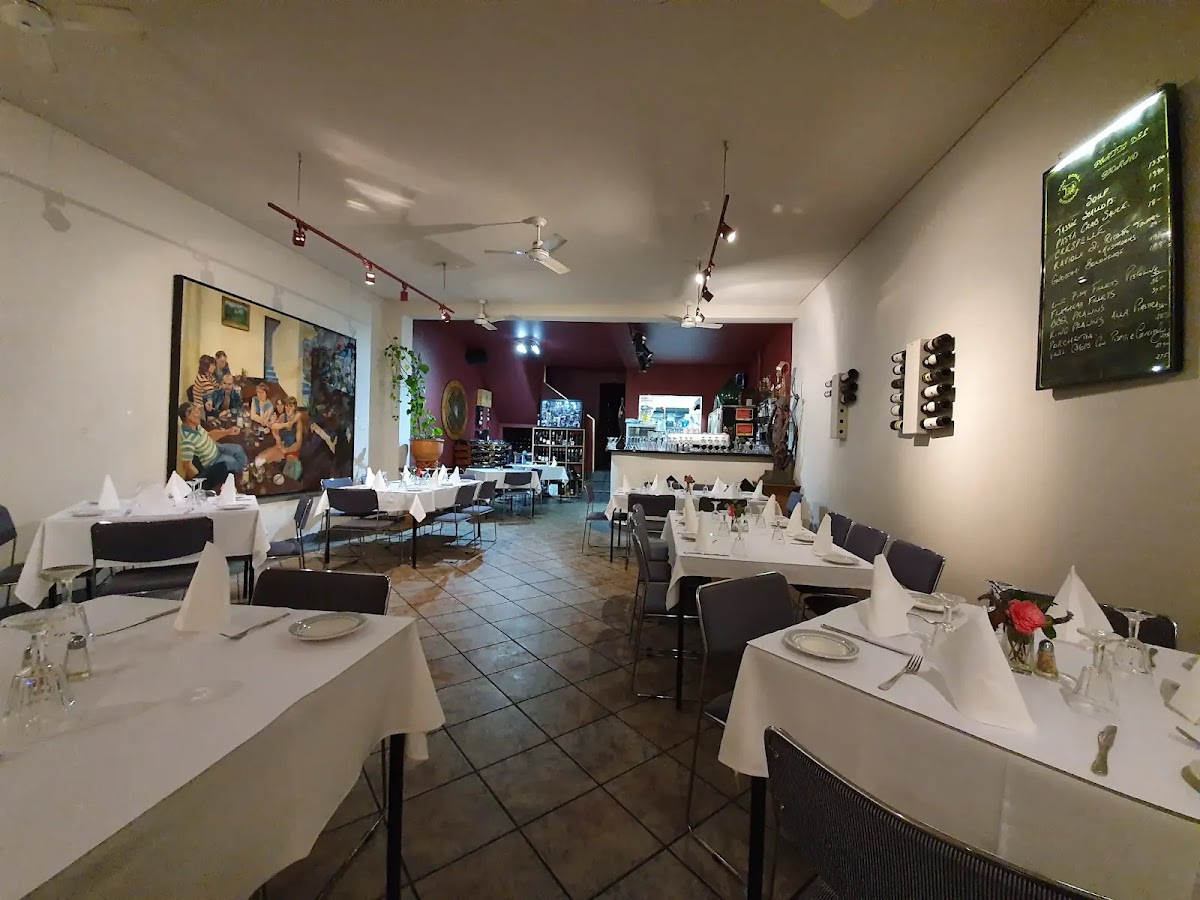
The location also plays a role in its appeal. Tucked away from heavy foot traffic, it attracts locals rather than tourists, which gives the room a relaxed, familiar feel. I’ve overheard regulars chatting with staff about past orders, a subtle sign of relationship-building that can’t be faked. From a professional hospitality standpoint, that’s an example of experiential value, where the service experience matters as much as the food itself.
That said, there are limitations worth noting. Seating can feel tight during peak hours, and if you’re looking for an extensive menu with endless variations, this might not be your spot. The focus is clearly on doing fewer things well. For some diners, that’s perfect. For others, it may feel restrictive. Transparency about those trade-offs is part of what builds trust, and the staff don’t oversell what they offer.
Overall, this café works because it respects both craft and customer. From carefully sourced beans to simple, well-executed dishes, the decisions here reflect a solid understanding of food, coffee, and the people who come in every day looking for both.